When you’re evaluating franchise opportunities, it’s natural to focus on the brand you’ll operate day-to-day: the services, the territory, the unit economics, and the support team. All of that matters. But there’s another factor that can quietly tilt the odds in your favor—the platform behind the brand.
That’s why multi-brand franchisors have an advantage and deserve a closer look.
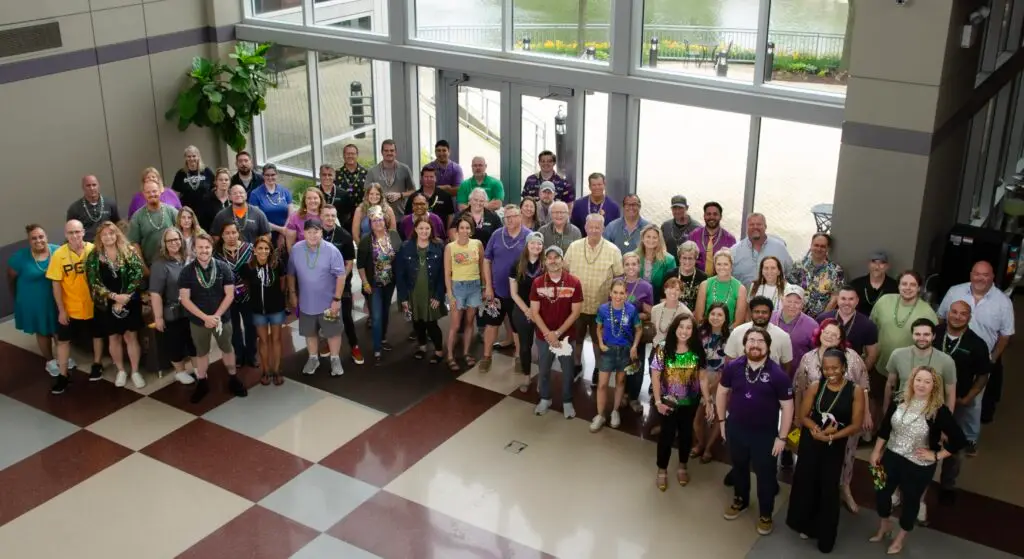
Next month, SpringGreen and Pet Butler will bring their leadership teams together for an all-company meeting at their offices in Plainfield, Illinois—an intentional move to strengthen alignment, share best practices, and build systemwide momentum. Pet Butler previously explained the purpose and value of this leadership collaboration here: Pet Butler hosts leadership meeting to strengthen systemwide growth and collaboration.
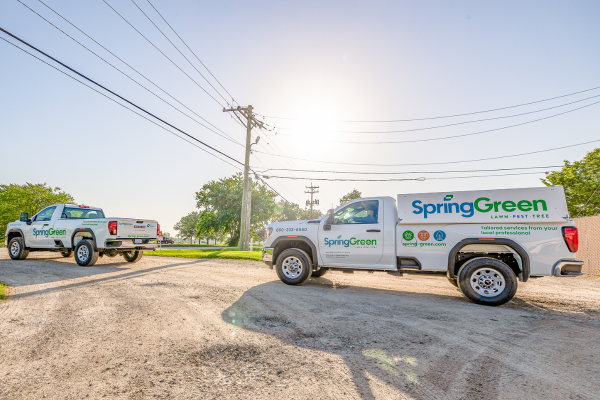
From a franchisee’s perspective, that type of coordination can translate into real-world advantages—especially when you’re joining a franchisor with a long track record. SpringGreen was founded in 1977 and has grown to more than 150 franchisees across the United States, which signals both longevity and scale.
Below are five of the most important benefits prospective franchisees should understand when considering a multi-brand organization like SpringGreen + Pet Butler.
What “multi-brand franchisor” really means (and why it matters)
A multi-brand franchisor operates more than one franchise concept under the same parent company. When executed correctly, this structure creates shared strength across brands—without diluting the identity or operational focus of each concept.
In practical terms, you’re not just buying into a single operating model. You’re gaining access to a broader platform: leadership, infrastructure, systems, vendor relationships, training resources, technology, and a larger community of operators solving similar business challenges.
Franchising itself is a major engine of the U.S. economy—and support systems are often the difference between “owning a job” and building a business with momentum. The International Franchise Association’s franchise fast facts provide helpful context on the scale and impact of franchising in the U.S.
The Top Five Advantages of Becoming a Franchisee with a Multi-Brand Franchisor
1) A deeper bench of expertise—without reinventing the wheel
Franchisees benefit when a franchisor has “seen the movie before.” In a multi-brand environment, leadership teams often develop broader pattern recognition across categories, customer expectations, and operational approaches.
That can show up in very practical ways:
- faster iteration on marketing and lead-gen strategies
- more refined onboarding and training systems
- stronger playbooks for hiring and retention
- better field support because more scenarios have been encountered (and solved) before
When two brands share a home office and intentionally align leadership, franchisees are more likely to benefit from lessons learned across the organization—not just within a single brand.
2) Shared support infrastructure that materially reduces franchisee workload
Most franchise candidates don’t want “more complexity.” They want fewer obstacles between effort and results.
This is one area where SpringGreen and Pet Butler can stand out against many competitors: centralized support that removes major operational burdens from the franchisee. In addition to the typical franchisor support (training, marketing guidance, field coaching), SpringGreen / Pet Butler handle critical back-office and customer-facing functions such as:
- handling inbound calls and customer scheduling support
- responding to customer inquiries online and via email
- invoicing customers
- processing payments on behalf of franchisees
For many operators, this is not a small perk—it’s a major advantage. It can protect the customer experience, increase responsiveness, and free the franchisee to focus on leadership, hiring, territory development, and service quality.
In a multi-brand organization, these shared systems and service teams can also become stronger over time because the investment supports more than one concept—often leading to better processes, better tools, and better consistency.

3) Buying power and vendor partnerships that strengthen operational efficiency
Vendor relationships matter more than many first-time franchise candidates expect. A multi-brand franchisor may have increased purchasing leverage and stronger partner relationships due to combined scale.
That leverage can support franchisees through:
- preferred pricing or terms with key suppliers and service partners
- pre-vetted vendor options (technology, uniforms, vehicles, equipment)
- more consistent standards across the system
- less trial-and-error when selecting tools that impact the customer experience
This isn’t about “magic discounts.” It’s about operational maturity—and using scale to reduce friction for franchisees.
4) Optionality over time—especially for long-term business builders
Many franchise candidates start with one clear goal: build a stable, cash-flowing business in a strong territory. But strong operators often think ahead: What does growth look like in year two, year five, or year ten?
With a multi-brand franchisor, there can be additional optionality over time (depending on the franchisor’s structure and your market), such as:
- expanding into complementary service lines
- leveraging proven processes, hiring pipelines, and leadership habits across more than one model
- building a broader local footprint without starting from zero each time
If you want an example of how multi-brand thinking can support long-term wealth-building, Pet Butler shared their perspective here: Three reasons for building a multi-brand franchise portfolio This can help candidates visualize how a single franchise decision can evolve into a larger entrepreneurial strategy.
5) A larger peer network and stronger culture—because operators learn best from operators
Most franchisors talk about support. The systems that truly separate themselves build a culture where franchisees actively help each other win.
Multi-brand organizations can develop an advantage here, too: larger events, more operator connections, more shared learning, and more repeatable best practices across the platform.
This is where leadership gatherings matter. When executive and support teams invest in alignment, it’s often a signal that collaboration isn’t just a slogan—it’s a discipline. That can lead to:
- better training and onboarding experiences
- clearer communication from the home office
- more consistent system standards
- a stronger community that shares what’s working in the field
And when you see photos from an annual conference—real people, real teams, real momentum—you’re seeing something important: a system built on relationships and shared outcomes, not just contracts.
Why this matters for prospective franchisees evaluating SpringGreen + Pet Butler
If you’re exploring SpringGreen, the question isn’t only, “Do I like this service category?” It’s also:
- Do I want a franchisor with platform-level strength and long-term stability?
- Do I value centralized support that reduces daily workload and protects the customer experience?
- Do I want to plug into a larger peer network and leadership culture that continuously improves?
SpringGreen’s history (founded in 1977) and its scale (more than 150 franchisees) are meaningful credibility markers—because they suggest the organization has built systems that endure, adapt, and continue to support operators over decades.
For candidates considering the pet services segment specifically, it is also helpful to understand the broader tailwinds behind pet ownership and spending. The American Pet Products Association (APPA) regularly publishes pet industry trend data that can provide useful context.
Final takeaway
Franchise ownership is a long game – typically a decade or more. In a long game, the strength of the organization behind the brand matters.
A multi-brand franchisor can offer a “quiet advantage”: broader support infrastructure, deeper operational expertise, stronger collaboration, and more strategic optionality over time. And when you see SpringGreen and Pet Butler leadership teams coming together in Plainfield, it’s not just an internal meeting—it’s a signal of alignment, investment, and a platform designed to help all franchisees execute at a high level.