The email arrived on a Tuesday. The company was restructuring. Your position was eliminated. Your badge will stop working at five.
If that scene feels familiar, you are not alone. Layoffs swept through corporate America again in early 2026, and many of the people walking out the door brought twenty or more years of leadership experience with them. They also brought severance packages, retirement accounts, and a question they had never seriously asked before: What now?
For a growing number of professionals, the answer is franchising. That path looks different from climbing another corporate ladder, but for those willing to bet on themselves, it offers something the old job never could. A franchise lets you trade a title for ownership of your time, your income, and your future.
Here is how to know if this path makes sense for you.
The Window After a Layoff Matters More Than People Realize
When a long career ends without warning, the financial pressure is real, but so is the opportunity. Severance, accrued vacation, and retirement savings create a runway that most first-time business builders never get. Use that runway well, and you can launch a business while your savings still have weight.
The clock matters. Industry research from the International Franchise Association shows franchising continues to outpace the broader economy in job creation and unit growth heading into 2026. Markets that need lawn care, home services, and recurring residential work are expanding, not shrinking. The professionals who move during that window tend to land their first revenue before their severance runs out.
This is where franchising separates itself from starting a business from scratch. A new independent venture often takes two to three years to reach profitability. A franchise with an established system, brand recognition, and a working playbook can compress that timeline significantly.
Your Skills Transfer More Than You Think
Career changers often underestimate themselves at the very moment they need confidence. They look at a service business and assume the operator must have come up through that industry. The opposite is closer to the truth.
What franchisors look for is a candidate who can lead people, manage budgets, and make decisions under pressure. If you spent the last fifteen years doing any of the following, you already have the foundation:
- Running a department or a region
- Owning a P&L, even partially
- Hiring, coaching, and retaining a team
- Managing vendors, contracts, or service delivery
- Selling to customers or internal stakeholders
The technical side of a business like lawn care can be taught. Leadership and operational judgment cannot. That is why franchisors invest so heavily in training systems and ongoing support for franchise partners coming from outside the industry.

The Questions Worth Asking Yourself
Franchising is not the right answer for everyone. Before signing anything, sit with these questions honestly.
Am I ready to build something rather than manage someone else’s vision? Franchise partners follow a proven system, but they also own the outcome. The accountability sits with you.
Do I want recurring revenue or one-time projects? Service franchises with subscription style customers tend to compound over time. That model rewards patience.
Can I work alongside a corporate team without resenting the structure? The best franchise partners view the franchisor as a strategic ally, not a boss. If you spent your last job pushing back on headquarters, that instinct will need a different outlet.
Am I willing to be visible in my community? Local business builders show up at chamber meetings, sponsor little league teams, and shake hands at trade shows. The work is more personal than corporate life.
If your answers point toward yes, the next step is finding the right brand.
Why a Service Franchise Fits the Post-Corporate Profile
Service franchises in essential categories like lawn care have specific traits that suit experienced professionals leaving corporate roles.
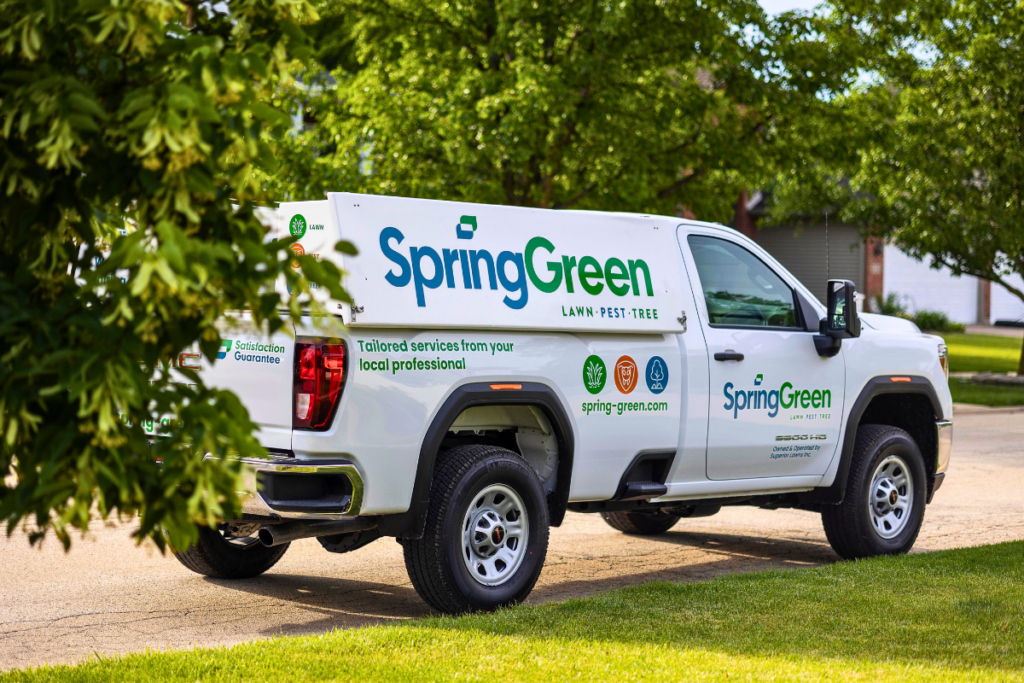
The startup footprint is manageable. You do not need a retail lease or heavy inventory. You need a truck, equipment, a small team, and a route. That capital structure makes financing more accessible through traditional SBA loans or retirement rollover programs.
The customer base is recurring. Lawn care, fertilization, and pest control build subscription style revenue. Once a customer signs on, they tend to stay for years. That predictability looks more like a portfolio than a startup.
Demand is steady. Homeowners continue to invest in their properties even during slower economic stretches. The U.S. Bureau of Labor Statistics projects continued growth in landscaping and grounds keeping services through the end of the decade.
The work happens outside, with a team, in your community. After years inside conference rooms and on video calls, many career changers find that change refreshing.
Where SpringGreen Fits
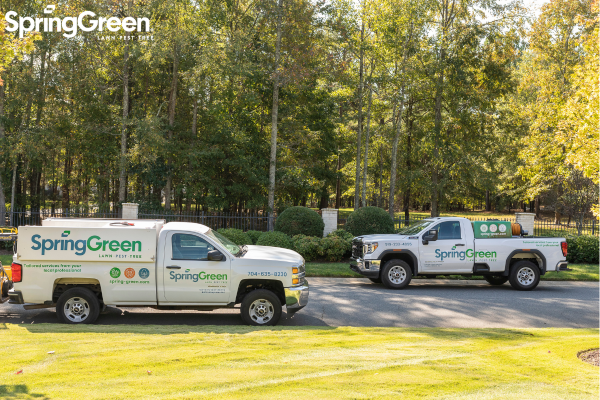
SpringGreen has been in the lawn care business since 1977. That history matters because the playbook is mature. New franchise partners are not figuring out customer acquisition, route density, or seasonal pricing on their own. The systems already exist.
With more than 150 franchise partners across the United States, the network includes people who came from finance, manufacturing, sales leadership, and operations. They were not lawn care experts when they started. They became business builders by following the model and applying the skills they already had.
The training program is designed for exactly this profile. New franchise partners get hands on instruction in agronomy, equipment, customer service, marketing, and financial management. Ongoing support continues long after launch through field visits, marketing assistance, and peer collaboration across the network.
Speed to revenue is built into the model. Most new franchise partners can be operating in their territory within months of signing, with marketing infrastructure and customer acquisition support active from day one.
Taking the Next Step
If you are sitting with a severance package and a question about what comes next, do not let the runway slip away. The professionals who use this moment well tend to look back on it as the best thing that happened to their careers.
The first step is information. Request the SpringGreen franchise information kit to see the investment range, the training timeline, and the territories available in your market. Talk to existing franchise partners who walked the same path. Ask the hard questions.
A franchise will not erase the uncertainty of building something new. What it can do is hand you a tested system, a known brand, and a network of strategic partners who have done this before. For the right career changer, that combination turns an unwanted ending into a far better beginning.